Accredited Hyperbaric Training


Supporting Clinics in Meeting Regulatory Expectations

Accredited Training Programs

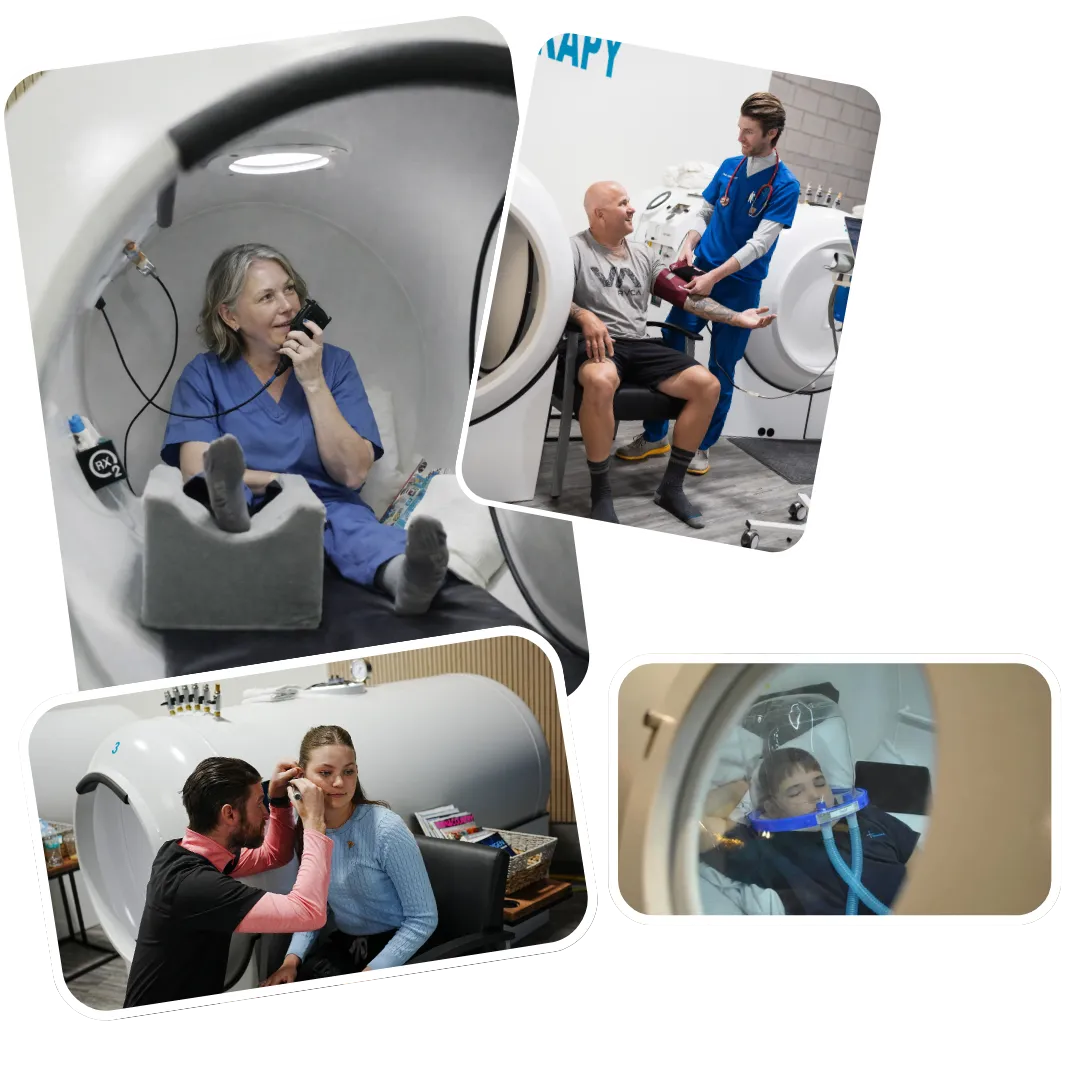
Setting the standard for safe, high-quality HBOT training
Focused, evidence-based training delivered without distractions, allowing full attention on safety, protocols, and real-world application to ensure consistently safe and effective HBOT delivery.

Expert Training
Introduction to Hyperbaric Medicine

Accredited Education
Accredited education ensures your training is grounded in recognized standards and trusted safety principles.

Hands-On Training
Hands-on training builds confidence by allowing you to apply knowledge in realistic clinical scenarios.

Real World Protocols
Real-world protocols help bridge the gap between theory and safe, practical implementation.
Emergency Procedures
Clear emergency procedures prepare you to respond quickly and confidently when it matters most.
Hyperbaric-certified technicians are essential for the safe treatment of patients in any facility offering hyperbaric therapy, regardless of whether it is a hospital, wound care center, wellness clinic, or gym.
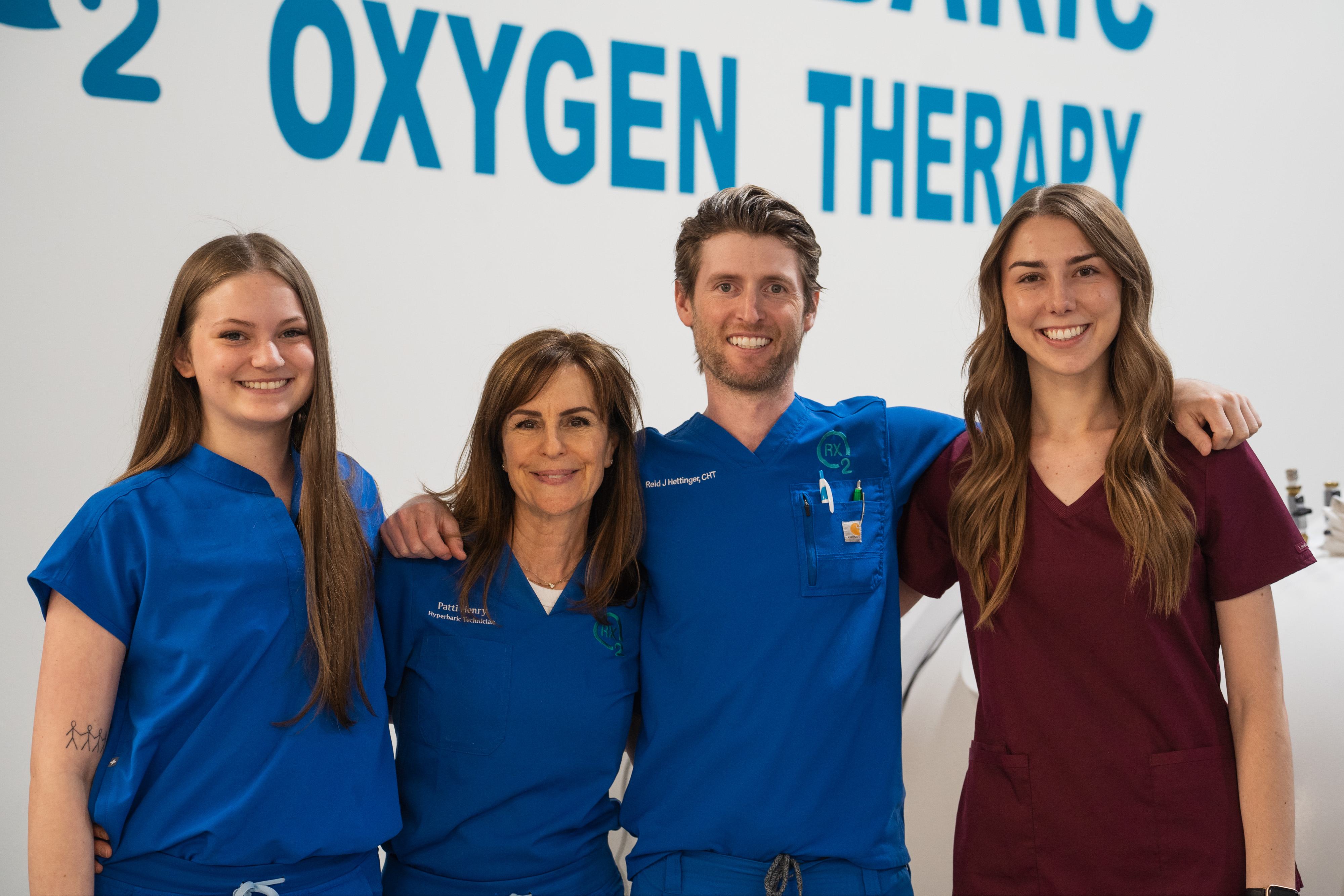
Proper technician certification ensures a foundational understanding of chamber operation, patient monitoring, emergency response, and hyperbaric safety standards. While certification alone does not guarantee full regulatory compliance, it represents the first and most critical step toward building a safe, responsible, and compliant hyperbaric program.
Accredited Training
Choose Your Course
Hyperbaric Certified TechniCian (HCT)
40 Hour Hands-On Program
Recognized Credentials
Required Clinical Training
$2,250
Hyperbaric Certified Clinician (HCC)
40 AMA PRA-1 CME Hours
Advanced Clinican Program
Limited to MD, DO, DC, PA, NP
$2,500
Hyperbaric Clinic Safety Director (HCSD)
Required for Every Clinic
Online Course
Safety Program Foundation
$1000
Hyperbaric Certification Course Outline
Introduction
Course objectives
NHSA overview & Hyperbaric safety briefing
Anatomy & Physiology relevant to HBOT
Module 1
History of Diving & HBOT
Gas Laws
(Boyle, Henry, Dalton)
HBOT Math I – Units, Conversions, Partial Pressures
Module 2
Alveolar physiology: O₂ transport & exchange
Equipment Overview – Chamber systems, oxygen delivery/storage
Hyperbaric application of pressure and oxygen
Module 3
ASME & NFPA Overview – Oxygen safety and chamber standards
Chamber types & operations (monoplace, multiplace, portable)
HBOT Safety Protocols – fire prevention, grounding, patient prep
Module 4
Oxygen Pharmacology – physiologic & toxic effects
HBOT Math II – decompression tables & calculations
Patient assessment, ear checks, vitals, documentation
Module 5
Hands-On Chamber Training I – tour, controls, checklists, observation
Contraindications to HBOT – absolute & relative
Adverse Events & Management (oxygen toxicity, barotrauma)
Module 6
Decompression Illness & Diving Injuries
Neurologic Exam for HBOT Patients
Hands-On Chamber Training II – operations, patient loading, communications, logging of treatments
Module 7
Treatment Protocols – on/off-label uses, case reviews
Scenario lab: contraindications & decision-making
Safety Drills – fire response, evacuation procedures
Module 8
HBOT Math final review
Hands-On Chamber Training III – emergency drills
Emergency Protocols – fire, patient collapse, power failure, fire evacuations, hypoglycemia, anxiety
Module 9
ASME & NFPA Review – Oxygen safety and chamber standards
Exam Prep – review key concepts
HBOT Safety Revisited – adverse event prevention
Module 10
NHSA Board Certification Exam
Hands-On Chamber Practical Assessment
Capstone & skills sign-offs
Course Completion
Continuing Education Explanation and Resources
Clinic Safety Director Course Introduction
Certification Presented and CME Hours Provided
Dive Into HBOT With Accredited Training

Dive into Hyperbaric Oxygen Therapy!

Frequently Asked Questions
Do I need to become certified in hyperbaric medicine?
Yes. Proper education and certification help ensure you understand the clinical, safety, and regulatory responsibilities involved in operating or working in a hyperbaric environment.
Do I need a Clinic Safety Director for my facility?
Yes. Every facility offering hyperbaric therapy should have a designated safety leader responsible for risk management, compliance, and emergency preparedness.
What is the difference between the two courses?
The Introduction to Hyperbaric Medicine course is a 40-hour in-person program focused on physiology, mechanisms, and clinical protocols. The Clinic Safety Director course is a fully online program focused on safety, compliance, and operational oversight.
Is the Clinic Safety Director course in person?
No. The Clinic Safety Director course is a fully online program designed to be completed at your own pace within the access period.
Who should take the Introduction to Hyperbaric Medicine course?
This course is ideal for physicians, healthcare providers, clinic owners, and professionals seeking a deep understanding of hyperbaric physiology, mechanisms, and clinical applications.
Who should take the Clinic Safety Director course?
This course is designed for facility leaders, technicians, clinic owners, and safety officers responsible for compliance, risk management, and safe hyperbaric operations.
Do these courses help with regulatory compliance?
Yes. Both courses are designed to improve safety and regulatory awareness. The Introduction course builds clinical understanding, while the Clinic Safety Director course provides structured safety and compliance training.
National Hyperbaric Association
© Copyright 2026 NHSA | All rights reserved
Email Us: [email protected]